
ORDINARY WASTE
Ordinært avfall

Textiles

YES PLEASE

  • Towels
  • Clothing
  • Bed linen
  • Tablecloths

NO THANKS

  • Dirty and wet textiles
  • Oil-contaminated textiles (to 7022)
  • Technical textiles (e.g. sportswear)
  • Composite textiles with multiple layers (e.g. shell jackets)
  • Rainwear
  • Protective clothing
  • Shoes
Classification

Waste code: 1911

Packaging and shipping

Textiles are sent in transparent plastic bags. The plastic bag must be tied shut to prevent the textiles from falling out.

Recycling and processing

Textiles of suitable materials and quality can be used as rags. Work is underway to find a material recycling solution, but textile waste is currently sent for incineration with energy recovery.

Dirty or unsuitable textiles are delivered as residual waste for energy recovery.

Oil-contaminated textiles are delivered as hazardous waste.

Requirements and criteria

The textiles must be clean and dry and made of a material suitable for material recycling. Businesses generating household-like waste must separate recyclable textile waste at source and deliver it for material recycling (Norwegian Waste Regulations § 10a).

Further information

Intact textiles suitable for reuse should be cleaned and delivered to an organisation handling such items.

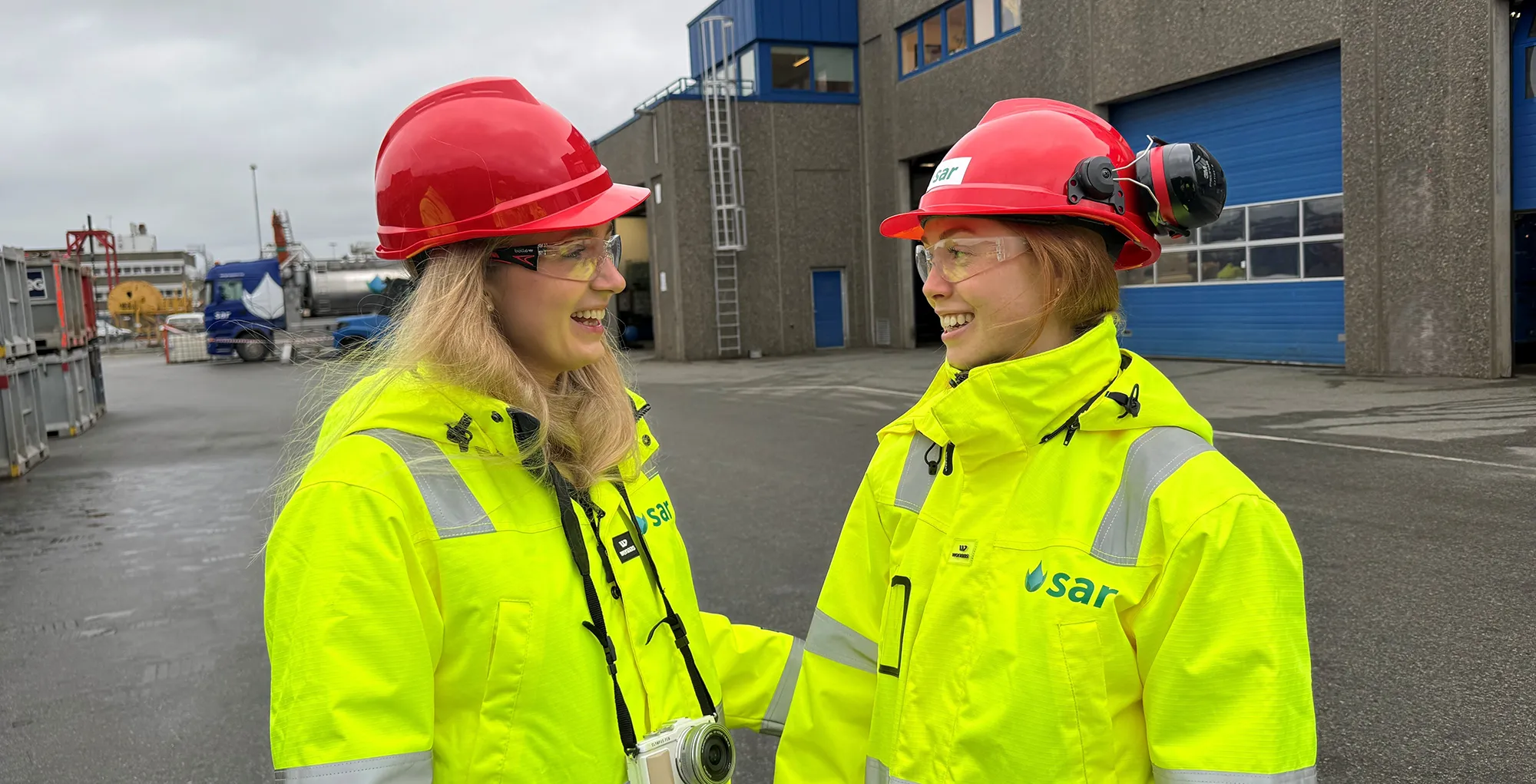
A SAR employee inspecting a waste facility
GLossary

Get an overview of technical terms and codes used in the waste management guide

The waste guide uses technical terms and codes to describe how different types of waste should be identified, classified, and handled. This makes it easier to find the correct waste fraction and comply with requirements for sorting, packaging, and delivery.

Contact us

Our experts provide advice, solutions, and support that make waste management easier, smarter, and more profitable. Please feel free to contact us via your nearest customer service center.