Hazardous waste
Farlig avfall

Radioactive waste (LRA)

YES PLEASE

  • Waste with activity above 2x background radiation or > 1 Bq/g. This may be found in scale, deposits, sludge, oily waste and steel scrap/instruments/pipes that have contained produced water, oil or gas

NO THANKS

  • Waste with activity below 2x background radiation or < 1 Bq/g
  • Smoke detectors
  • Exit signs
  • Radioactive sources
Classification

Radioactive waste is classified using a 3000 series analogous to the 7000 series for hazardous waste.

For example, 7022 (oil-contaminated material) becomes 3022 (radioactive oil-contaminated material) when radioactivity is detected.

Packaging and shipping

Must be sent in clean, intact, leakproof packaging.

Recycling and processing

Waste between 1 and 10 Bq/g is sent to an approved landfill for LRA-contaminated waste together with waste > 10 Bq/g, as no other solutions exist for the waste. Waste with values < 1 Bq/g is sent for incineration as hazardous waste. Metal scrap is cleaned and recycled; equipment may alternatively be returned to the customer, which must be specified upon delivery.

Requirements and criteria
  • 0-1 Bq/g: Waste cleared from radiological control; it can be sent to a hazardous waste receiving facility
  • 1-10 Bq/g: Radioactive waste, not subject to mandatory disposal
  • > 10 Bq/g: Radioactive waste, subject to mandatory disposal

Must be sent in clean, intact, leakproof packaging. Equipment must be packed in sealed plastic. Pipe ends must be sealed with plugs, sheeting or tape. The packaging must be marked “possible LRA”. If activity >10 Bq/g is confirmed by gamma spectroscopic analysis, the waste must be classified as dangerous goods and the packaging marked with hazard label 7. Waste with measured activity that has not been confirmed by analysis must be marked with hazard label 7 and transported as dangerous goods.

Further information

Measurements taken with a measuring instrument are only a screening. A final gamma spectrometric analysis provides an accurate specific activity for the waste; based on this activity, the waste is classified as hazardous (< 1 Bq/g) or hazardous and radioactive (> 1 Bq/g).

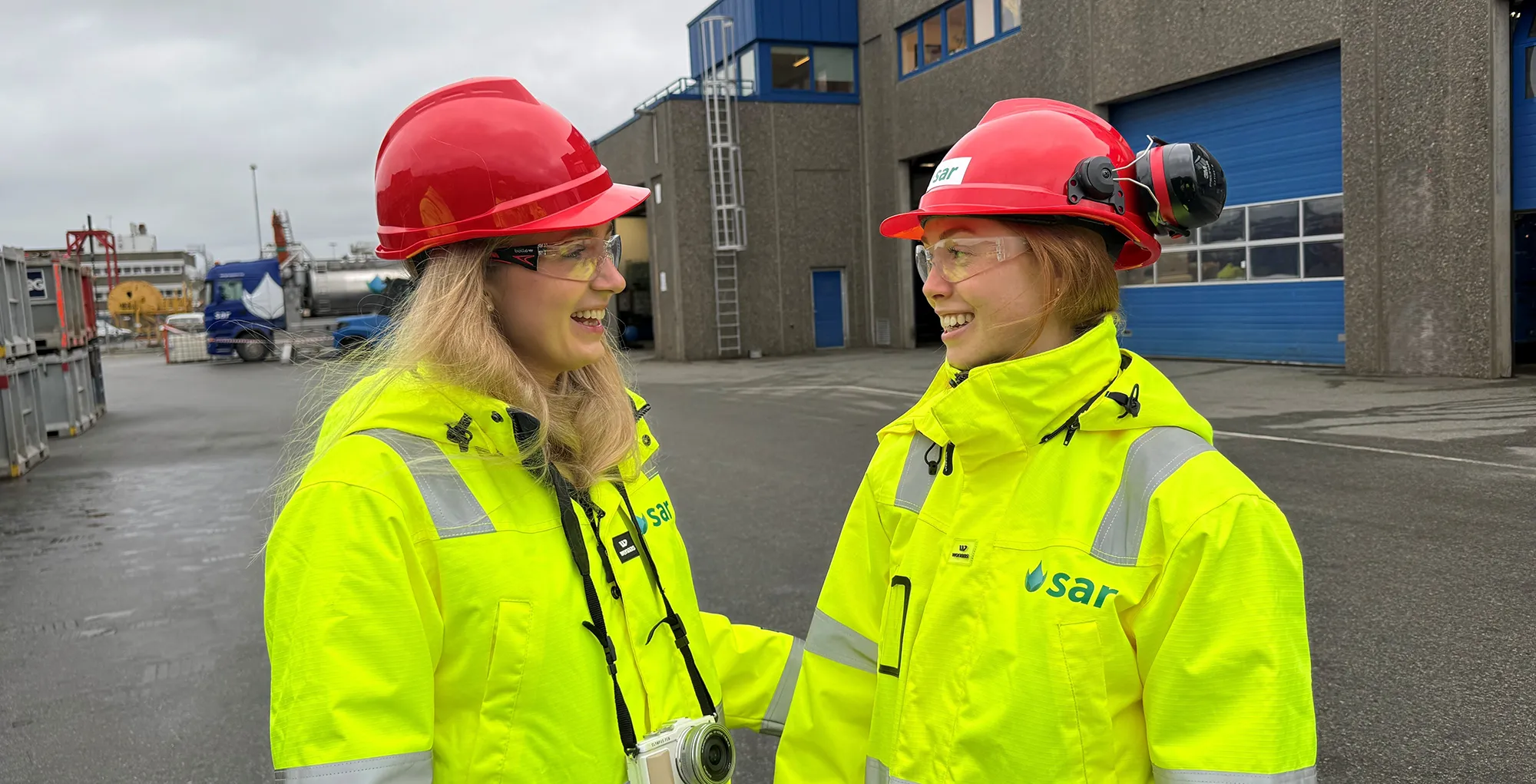
A SAR employee inspecting a waste facility
GLossary

Get an overview of technical terms and codes used in the waste management guide

The waste guide uses technical terms and codes to describe how different types of waste should be identified, classified, and handled. This makes it easier to find the correct waste fraction and comply with requirements for sorting, packaging, and delivery.

Contact us

Our experts provide advice, solutions, and support that make waste management easier, smarter, and more profitable. Please feel free to contact us via your nearest customer service center.