
Hazardous waste
Farlig avfall

Oil emulsions and slop water

YES PLEASE

  • Slop water
  • Oil emulsions
  • Oily water from engine rooms and maintenance/process systems
  • Bilge water
  • Machinery slop
  • Cutting fluid

NO THANKS

  • Chlorinated emulsions
  • Waste oil
  • Oil-contaminated material
Classification

Waste code: 7030

Suggested EWC codes: 161001 (Oily water from engine rooms and offshore maintenance/process systems) 160708 (Tank-cleaning waste)

Hazard class: Not subject to IMDG/ADR

Packing group: Not subject to IMDG/ADR

UN no.: Not subject to IMDG/ADR

Several EWC codes and transport classifications fall within this fraction. Determine the correct classification for your waste using the safety data sheet or contact SAR for advice.

Packaging and shipping

This waste type can be sent in drums, IBCs, transport tanks or bulk. Offshore: before and during loading of slop onto supply vessels, measurements of H₂S, O₂, CO and explosive gases must be taken and documented on the GOMO analysis form.

Recycling and processing

The oil phase is separated from the water and then used for energy recovery. The water phase is treated at SAR's water treatment plant at Mongstad.

Requirements and criteria

The requirements described in GOMO (Guidelines for Offshore Marine Operations) must accompany bulk shipments. Skips/containers with lids are normally not sufficiently leakproof to transport liquid waste and must therefore not be used without prior agreement with the waste receiving facility. Such packaging may lead to increased handling costs and spills.

Relevant information about the waste (e.g. origin, composition, analytical results, additives and pretreatment) must be included in the declaration.

Further information

Measurements including TOC and salt in the water phase will be carried out on receipt onshore.

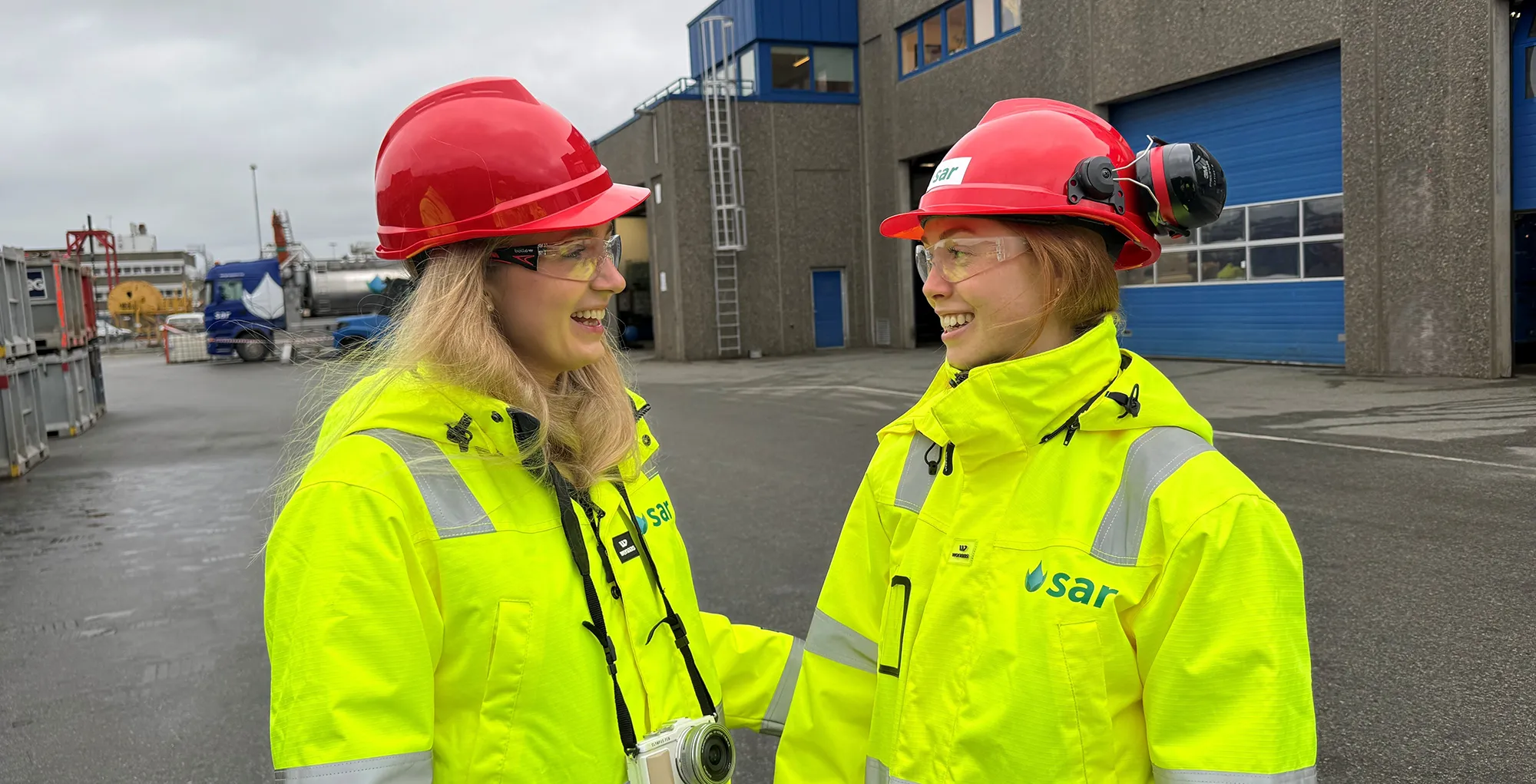
A SAR employee inspecting a waste facility
GLossary

Get an overview of technical terms and codes used in the waste management guide

The waste guide uses technical terms and codes to describe how different types of waste should be identified, classified, and handled. This makes it easier to find the correct waste fraction and comply with requirements for sorting, packaging, and delivery.

Contact us

Our experts provide advice, solutions, and support that make waste management easier, smarter, and more profitable. Please feel free to contact us via your nearest customer service center.