
ORDINARY WASTE
Ordinært avfall

Food waste

YES PLEASE

  • Unpackaged food scraps
  • Coffee grounds
  • Peelings and shells
  • Fruit and vegetable scraps
  • Small amounts of paper towels/napkins soiled with food
  • Frying oil

NO THANKS

  • Napkins
  • Packaging
  • Cut flowers and/or potted plants
  • Kitchen and food waste from international transport (1127)
  • Garden waste
Classification

Waste code: 1111

Packaging and shipping

Place in biodegradable bags and send in designated food waste containers.

Recycling and processing

Food waste is composted, incinerated with energy recovery or recycled into biogas. Offshore, food waste is normally ground up and discharged to sea.

Requirements and criteria

International catering waste (1127) must be sorted in accordance with specific rules, including packaging in approved containers and sending it directly for incineration.

Businesses generating household-like waste must separate food waste at source and deliver it for material recycling (Norwegian Waste Regulations § 10a).

Further information

Cooking oil and frying fat must be handled and packaged separately. Larger quantities of food-soiled napkins and paper towels, for example from birthday parties, should be sorted as residual waste.

Ordinary tea bags can be sorted as food waste. Preferably remove the string and label first. Nylon/plastic tea bags should be sorted as residual waste.

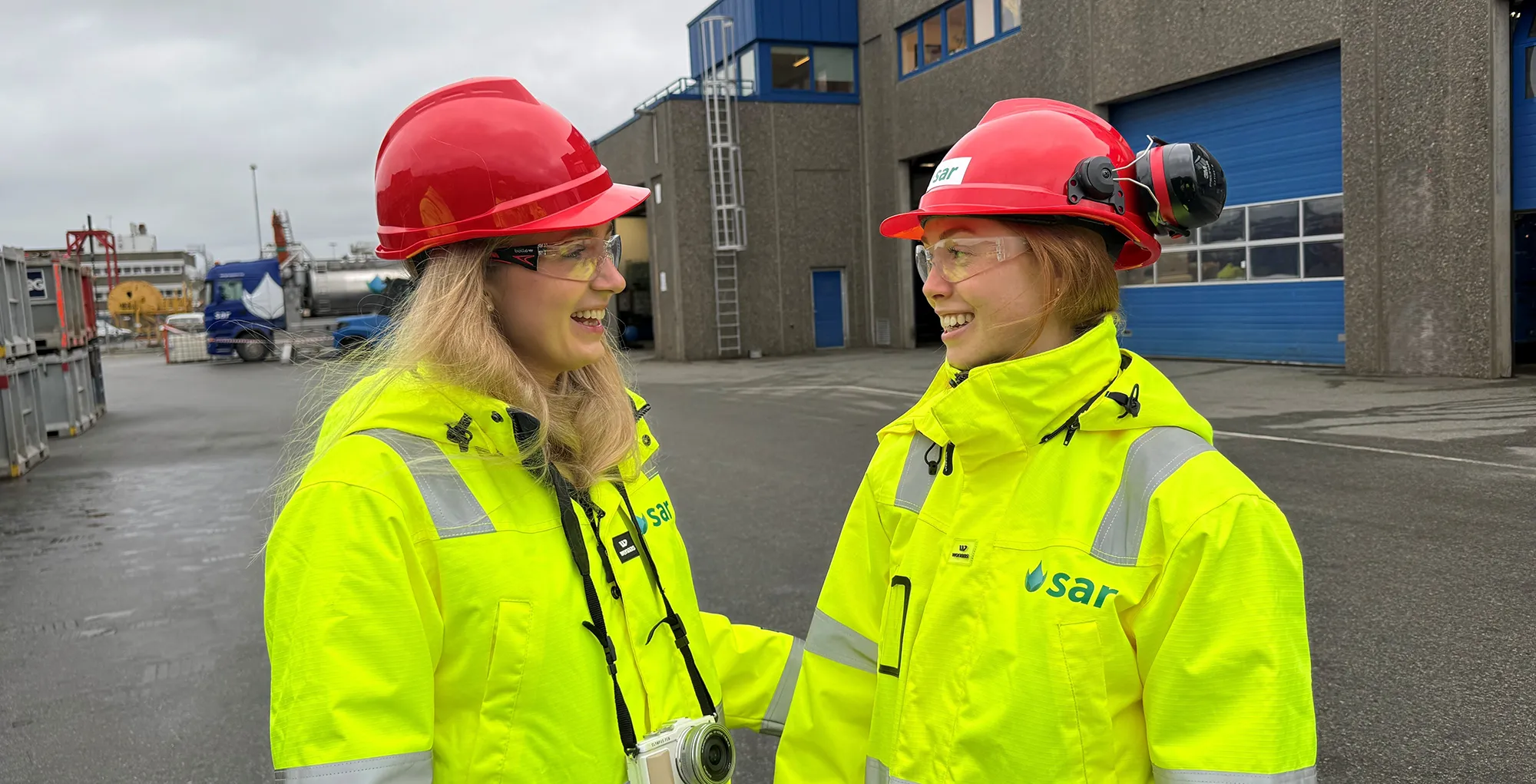
A SAR employee inspecting a waste facility
GLossary

Get an overview of technical terms and codes used in the waste management guide

The waste guide uses technical terms and codes to describe how different types of waste should be identified, classified, and handled. This makes it easier to find the correct waste fraction and comply with requirements for sorting, packaging, and delivery.

Contact us

Our experts provide advice, solutions, and support that make waste management easier, smarter, and more profitable. Please feel free to contact us via your nearest customer service center.