
ORDINARY WASTE
Ordinært avfall

Concrete and plaster rubble

YES PLEASE

  • Concrete without reinforcing steel (1611)
  • Concrete with reinforcing steel (1612)
  • Bricks/clay bricks (1613)
  • Contaminated concrete and bricks (1614) below the hazardous waste threshold

NO THANKS

  • Heavy metals, PCB, PAH and other hazardous substances above the hazardous waste threshold
  • Blasting grit (7096)
Classification

Waste code (listed under “Accepted”):

  • Concrete without reinforcing steel (1611)
  • Concrete with reinforcing steel (1612)
  • Bricks/clay bricks (1613)
  • Contaminated concrete and bricks (1614) below the hazardous waste threshold
Packaging and shipping

Can be sent in a container.

Recycling and processing

Recycled as material or landfilled.

Requirements and criteria

Clarify the hazardous substance content with the recipient before dispatch. Analysis of a representative sample is required. For large quantities, investigate opportunities for reuse in accordance with Chapter 14A of the Norwegian Waste Regulations on “Concrete and bricks from demolition projects”.

Further information

More thorough sorting may reduce costs.

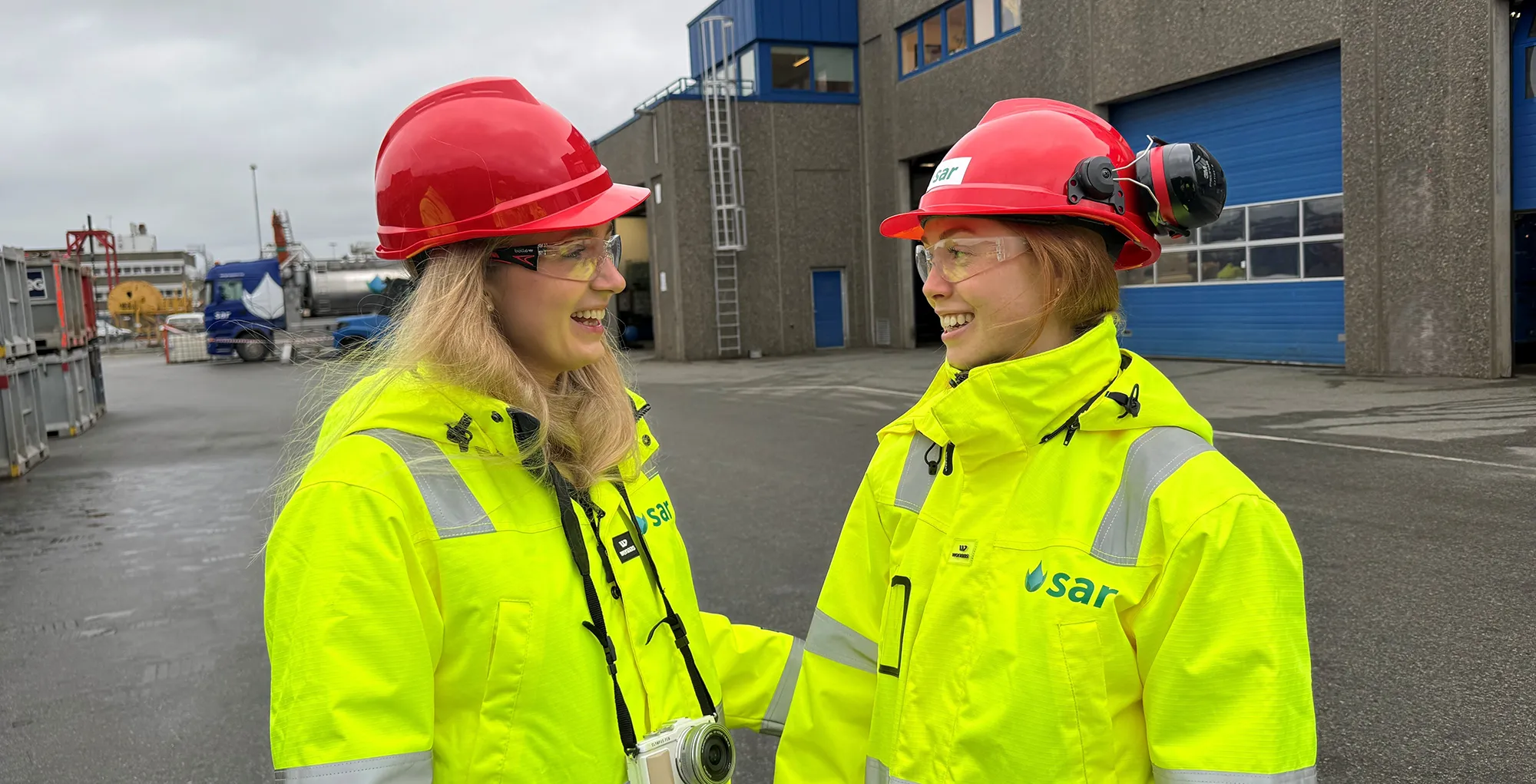
A SAR employee inspecting a waste facility
GLossary

Get an overview of technical terms and codes used in the waste management guide

The waste guide uses technical terms and codes to describe how different types of waste should be identified, classified, and handled. This makes it easier to find the correct waste fraction and comply with requirements for sorting, packaging, and delivery.

Contact us

Our experts provide advice, solutions, and support that make waste management easier, smarter, and more profitable. Please feel free to contact us via your nearest customer service center.