
Hazardous waste
Farlig avfall

Paint, varnish and adhesives

YES PLEASE

  • Paint, varnish and adhesives
  • Silicone and acrylic
  • Sealant and printing paste
  • Uncured paint residues, paintbrushes and paint cans containing residues
  • Toner cartridges without circuit boards and ink cartridges containing hazardous substances

NO THANKS

  • Aerosol cans
  • Solvents
  • Products containing isocyanates
  • Hardeners
  • Construction foam
  • PCB-containing paint
Classification

Waste code: 7051

Suggested EWC codes: 080111 (Liquid) 080117 (Solid) 080317 (Toner waste)

Hazard class: 3 4,1

Packing group: II (Liquid) III (Solid)

UN no.: 1263 (Liquid) 1325 (Solid)

Several EWC codes and transport classifications fall within this fraction. Determine the correct classification for your waste using the safety data sheet or contact SAR for advice.

Packaging and shipping

When shipping liquid paint, packaging must not be filled beyond 90%, to allow room for expansion. Using lids with pressure relief valves is also recommended to release pressure arising during storage and transport.

When collecting liquid hazardous waste delivered in jerrycans, cans or similar containers, UN-approved drums, rigid cut-down IBCs or large packaging must be used as outer packaging. Residues of adhesives, paint, resin solutions or similar substances in packaging of up to 10 litres may be transported on pallets with collars, provided they are also adequately secured against leakage.

Recycling and processing

Paint waste is used for energy recovery, while metal and plastic packaging are recycled as material.

Requirements and criteria

Toner cartridges without circuit boards and ink cartridges containing hazardous substances must be delivered in separate packaging. If a data sheet is available, it must be attached to the declaration.

Further information

Completely empty paint cans/cans with only a dry, thin paint film can be sorted as metal or plastic, respectively. If the paint can is labelled toxic, it must always be sent as hazardous waste.

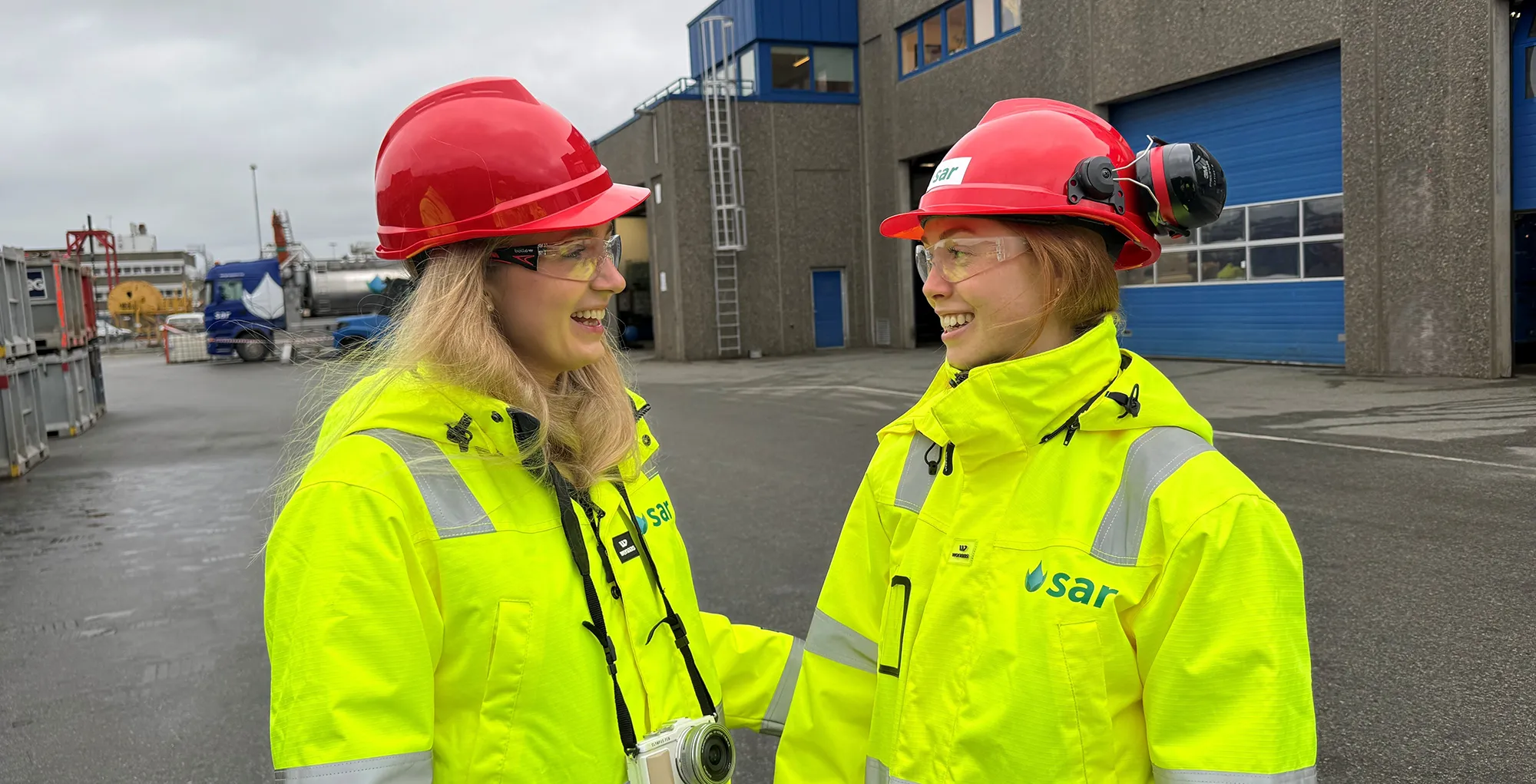
A SAR employee inspecting a waste facility
GLossary

Get an overview of technical terms and codes used in the waste management guide

The waste guide uses technical terms and codes to describe how different types of waste should be identified, classified, and handled. This makes it easier to find the correct waste fraction and comply with requirements for sorting, packaging, and delivery.

Contact us

Our experts provide advice, solutions, and support that make waste management easier, smarter, and more profitable. Please feel free to contact us via your nearest customer service center.