
Hazardous waste
Farlig avfall

Fluorescent tubes and energy-saving bulbs

YES PLEASE

  • Fluorescent tubes and energy-saving bulbs containing mercury

NO THANKS

  • Other light bulbs
  • Batteries
  • Fuses
  • Electrical and electronic waste
  • Wires
  • Cables
  • Packaging such as cardboard sleeves
Classification

Waste code: 7086

Suggested EWC codes: 200121

Hazard class: Not subject to IMDG/ADR

Packing group: Not subject to IMDG/ADR

UN no.: Not subject to IMDG/ADR

Packaging and shipping

Send on pallets with collars or in suitable boxes.

Recycling and processing

Where possible, glass and metal are recycled as material, and mercury vapour is collected and transported to a landfill for mercury-containing waste.

Requirements and criteria

Special packaging such as boxes or pallets with collars must be used. If pallets with collars are used, plastic must be placed on the bottom and up the sides to prevent contamination.

The light sources must not be individually packaged. Packaging such as cardboard, paper or tape must not be present.

If a data sheet is available, it must be attached to the declaration.

Broken fluorescent tubes must not be mixed with intact tubes, but packaged in a separate drum/container.

Further information

Mercury is toxic; remember to use protective equipment correctly. If fluorescent tubes are broken, the following may be an appropriate procedure:

  • Open the windows and leave the room for at least 15 minutes. Ensure cross-ventilation in the room if possible
  • Wear gloves to protect against cuts from broken glass
  • Collect the large glass fragments in a container after the room has been ventilated
  • Wipe the floor thoroughly with a damp cloth
  • Place the cloth and glass fragments in a sealed container and close it
  • Handle and declare the waste as hazardous waste
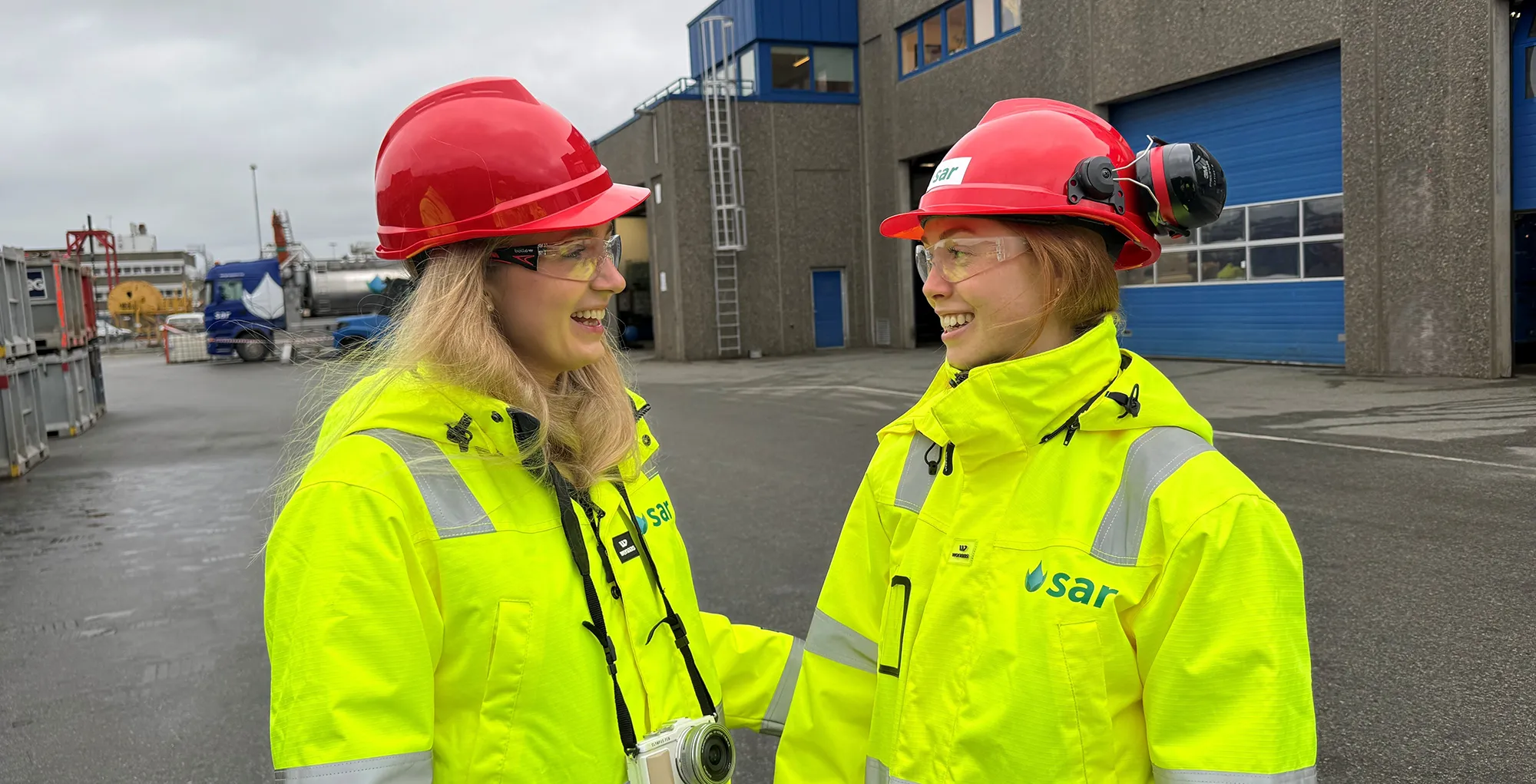
A SAR employee inspecting a waste facility
GLossary

Get an overview of technical terms and codes used in the waste management guide

The waste guide uses technical terms and codes to describe how different types of waste should be identified, classified, and handled. This makes it easier to find the correct waste fraction and comply with requirements for sorting, packaging, and delivery.

Contact us

Our experts provide advice, solutions, and support that make waste management easier, smarter, and more profitable. Please feel free to contact us via your nearest customer service center.