
Hazardous waste
Farlig avfall

Mercury-containing waste

YES PLEASE

  • Laboratory chemicals containing mercury*
  • Mercury-containing sludge and process-related waste containing or contaminated with mercury**
  • Liquid metallic mercury found, for example, in mercury thermometers***

NO THANKS

  • Mercury-containing batteries
  • Mercury-containing waste with a mercury concentration below 1000 ppm. If in doubt, send as mercury-containing waste
Classification

Waste code: 7081

Suggested EWC codes: 160506 (Laboratory chemicals containing mercury)* 130502 (Mercury-containing sludge)** 060404 (Mercury content >1000mg/kg, mercury thermometers, sediments)** 160108 (Mercury-containing components) ***

Hazard class: See the hazard class for the chemical* 6.1** 6.1 + 8 ***

Packing group: See the safety data sheet for the chemical * II ** III***

UN no.: See the safety data sheet for the chemical* 2811** 3506***

Several EWC codes and transport classifications fall within this fraction. Determine the correct classification for your waste using the safety data sheet or contact SAR for advice

Packaging and shipping

Mercury-containing sludge can be packaged in open-head drums. If the waste also contains oil, this must be described on the declaration form.

Recycling and processing

Mercury-containing waste is delivered to an approved receiving facility for treatment. There it is stabilised by forming mercury sulphide. The waste is then landfilled.

Requirements and criteria

Laboratory chemicals should be kept in their original packaging and packed in UN-approved cardboard boxes with vermiculite.

If a data sheet is available, it must be attached to the declaration.

Mercury thermometers are packed in a closed plastic container or bubble wrap. Place this in a resealable bag filled with vermiculite, then in a box.

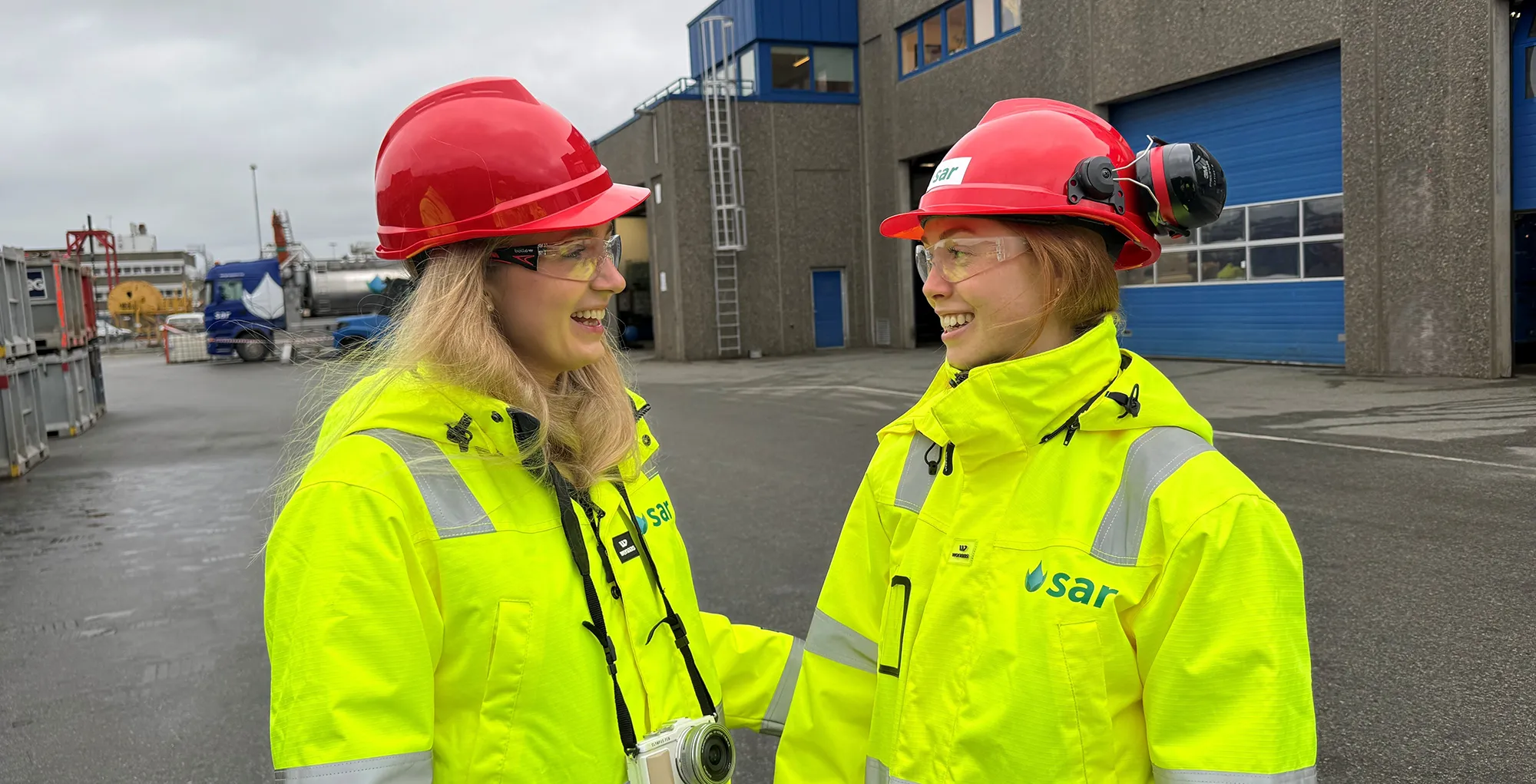
A SAR employee inspecting a waste facility
GLossary

Get an overview of technical terms and codes used in the waste management guide

The waste guide uses technical terms and codes to describe how different types of waste should be identified, classified, and handled. This makes it easier to find the correct waste fraction and comply with requirements for sorting, packaging, and delivery.

Contact us

Our experts provide advice, solutions, and support that make waste management easier, smarter, and more profitable. Please feel free to contact us via your nearest customer service center.