
Hazardous waste
Farlig avfall

Gases in pressure vessels

YES PLEASE

  • Gases in pressure vessels, such as dissolved acetylene, helium, propane, butane, nitrogen, gaseous hydrocarbon mixtures and oxygen
  • Fire extinguishers and lighters containing flammable gas

NO THANKS

  • Pressure vessels or fire extinguishers containing halons
  • CFC gases
  • SF6 gas
  • Aerosol cans
  • Pressure accumulators without gas
Classification

Waste code: 7261

Suggested EWC codes: 160504

Hazard class: 2.1 (Propane and butane) 2.2 (Oxygen, nitrogen, fire extinguishers) 5.1 (Oxygen)

Packing group: -

UN no.: 1044 (Fire extinguishers) 1066 (Nitrogen) 1072 (Oxygen) 1978 (Propane) 1965 (Hydrocarbon gas mixture)

*Several types of gases in pressure vessels fall within this fraction. Determine the correct classification for your waste using the safety data sheet or contact SAR for advice.

Packaging and shipping

Pressure vessels containing gas must have protective caps and be transported in suitable racks or strapped to a pallet, so they are stable and protected against collisions and impacts to the valve. Gas cylinders with exposed valves are packed upright. Gas cartridges must be packaged safely and protected against damage. The gas container must be marked with the declaration number, UN number and gas type. Outer packaging may be an IBC, box, drum or pallet.

Recycling and processing

The pressure vessel is reused or recycled as material, and the gas is used for energy recovery.

Requirements and criteria

A declaration must accompany each type of gas.

If a data sheet is available, it must be attached to the declaration.

Gas cylinders must carry hazard labels in accordance with ADR regulations. Note that transport requirements may vary for each gas type.

Further information

Pressure vessels free of gas and pressure must not be delivered in containers together with other steel scrap/waste. The valve and top must be removed completely, and the cylinder must be marked with a green cross and placed on a separate pallet or rack. Also state in the collection request that the cylinders have been depressurised.

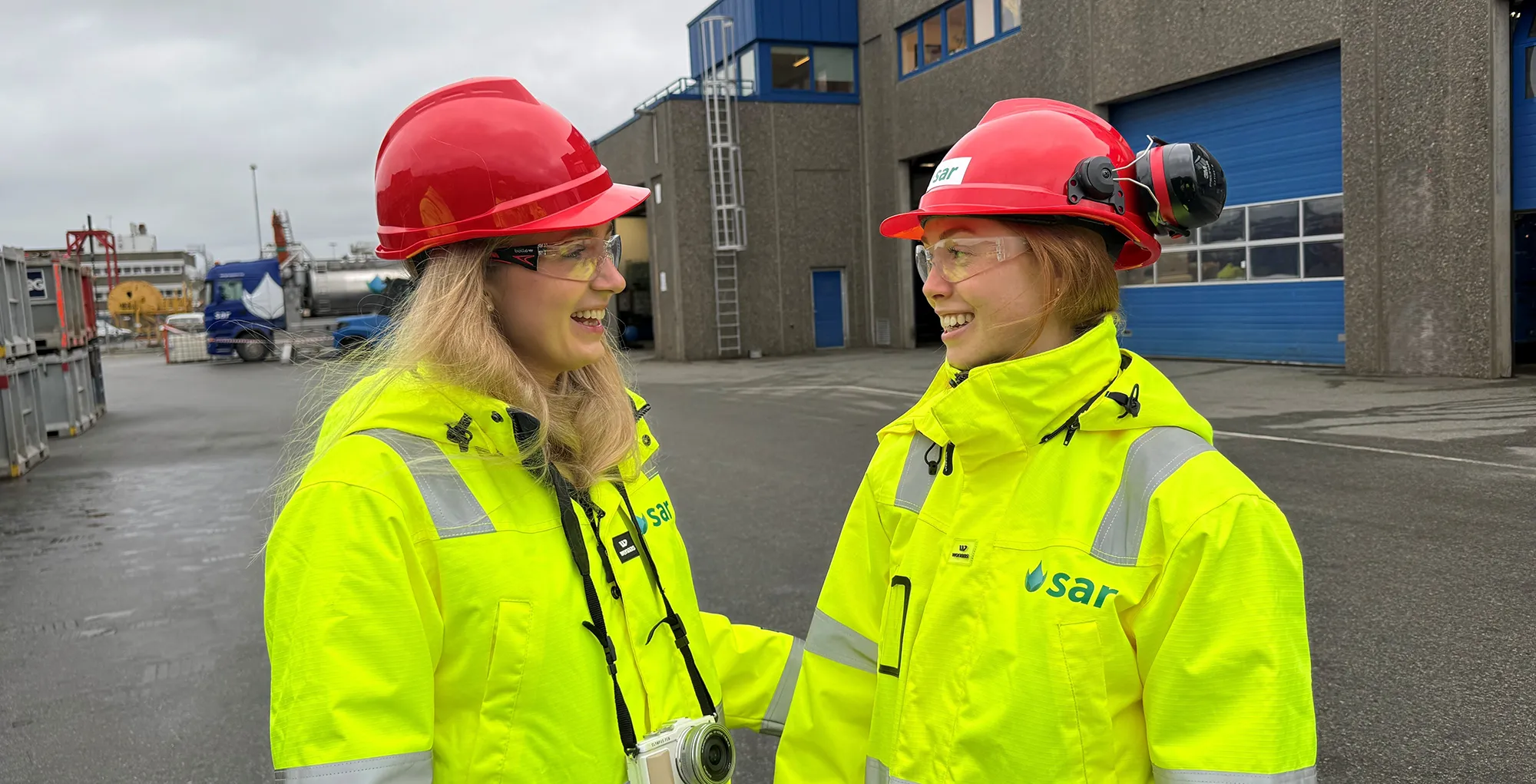
A SAR employee inspecting a waste facility
GLossary

Get an overview of technical terms and codes used in the waste management guide

The waste guide uses technical terms and codes to describe how different types of waste should be identified, classified, and handled. This makes it easier to find the correct waste fraction and comply with requirements for sorting, packaging, and delivery.

Contact us

Our experts provide advice, solutions, and support that make waste management easier, smarter, and more profitable. Please feel free to contact us via your nearest customer service center.