
Hazardous waste
Farlig avfall

Lead-acid accumulators, car batteries

YES PLEASE

  • Lead-acid batteries from cars and other vehicles

NO THANKS

  • Lithium batteries
  • Small batteries
  • Mercury-containing batteries
  • Cadmium-containing batteries
Classification

Waste code: 7092

Suggested EWC codes: 160601

Hazard class: 8

Packing group: -

UN no.: 2794 (Risk of acid leakage) 2800 (Non-spillable)

Packaging and shipping

Non-spillable lead-acid accumulators (UN 2800) must be packed on pallets with shrink wrap or pallet collars with plastic covering on top to ensure stability. If stacked, there may be a maximum of 3 layers, and cardboard or polystyrene foam must be used between the battery layers.

Lead-acid batteries with a risk of leakage (UN 2794) can be placed on pallets provided they have caps and are undamaged.

Damaged lead-acid batteries must be sent in plastic drums, regardless of UN number.

Recycling and processing

Batteries are passed on through battery take-back schemes. Leaking lead-acid batteries are drained of acid, which is then neutralised. Lead and plastic are recycled.

Requirements and criteria

Batteries must be sorted by type. The waste must be packaged in UN-approved packaging.

If a data sheet is available, it must be attached to the declaration.

Further information

Contact SAR for a separate information sheet on batteries.

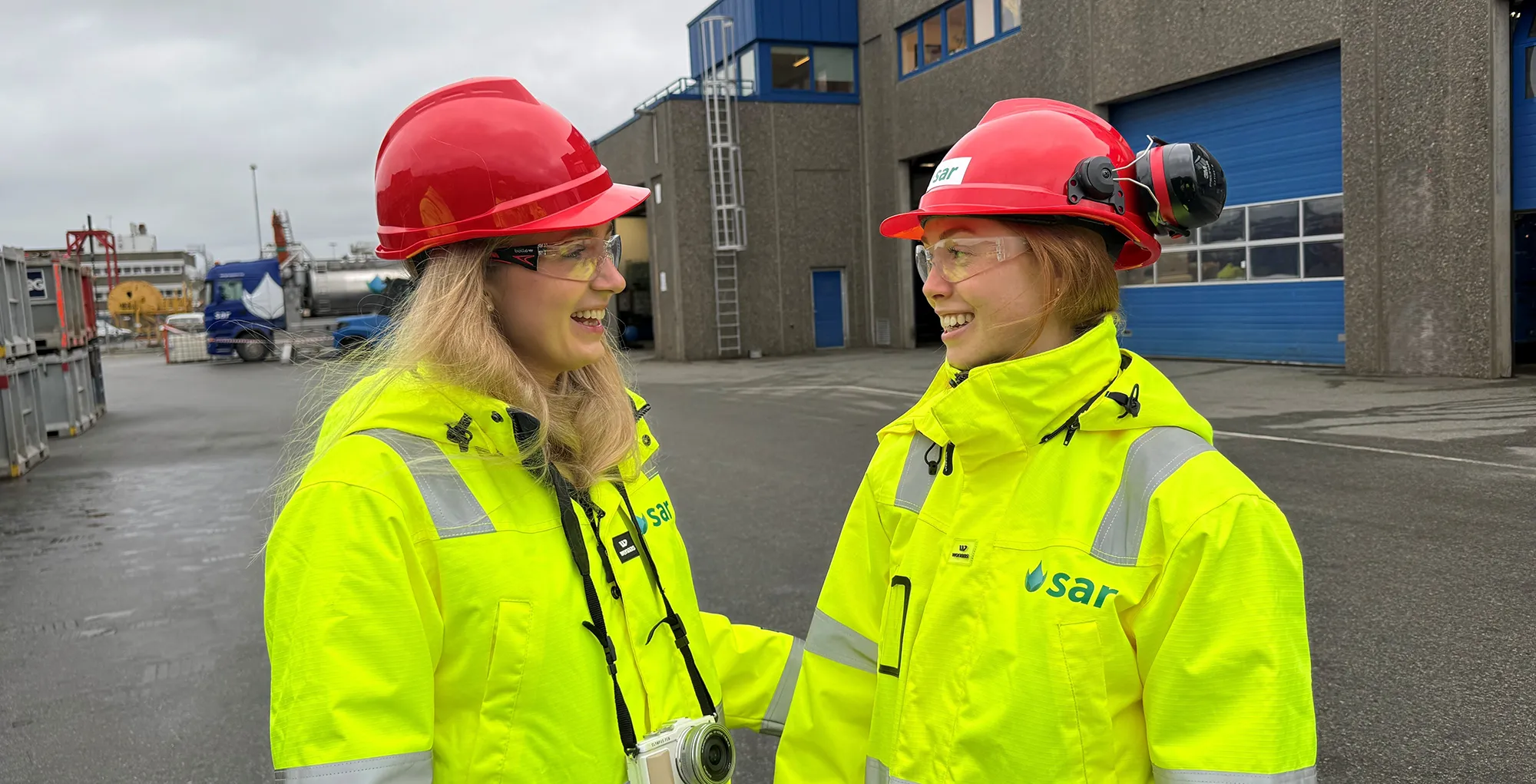
A SAR employee inspecting a waste facility
GLossary

Get an overview of technical terms and codes used in the waste management guide

The waste guide uses technical terms and codes to describe how different types of waste should be identified, classified, and handled. This makes it easier to find the correct waste fraction and comply with requirements for sorting, packaging, and delivery.

Contact us

Our experts provide advice, solutions, and support that make waste management easier, smarter, and more profitable. Please feel free to contact us via your nearest customer service center.