
Hazardous waste
Farlig avfall

Blasting grit

YES PLEASE

  • Used blasting grit

NO THANKS

  • Used blasting grit containing hazardous substances below the threshold
Classification

Waste code: 7096

Suggested EWC codes: 120116 (Blasting grit)

Hazard class: Not subject to IMDG/ADR

Packing group: Not subject to IMDG/ADR

UN no.: Not subject to IMDG/ADR

*Several waste types fall within fraction 7096, such as slag, dust, ash and spent catalyst material. See the separate page.

Packaging and shipping

Big bags can be used to ship blasting grit. They can be placed on pallets with collars, in cut-down IBCs or in containers. Blasting grit can also be placed in drums, but only by agreement with the recipient due to the additional repackaging work.

Recycling and processing

Blasting grit is sent to landfill.

Requirements and criteria

Customer documentation must always be attached in the form of an analysis, or a reference to a previous analysis of waste with the same level of contamination, stating the contents of the waste and assessing whether it is hazardous waste. Basic characterisation must be carried out for waste to be landfilled.

If a data sheet is available, it must be attached to the declaration.

Further information

If the waste producer can document that the blasting grit does not contain hazardous substances above the hazardous waste threshold, it can be sent as non-hazardous waste (1672). If the waste is hazardous, tests will normally also be required to document its leaching properties.

Relevant substances to analyse include heavy metals and TOC (organic content in relation to landfill requirements). Analysis for mineral oil, PAH, BTEX and organotin compounds may also be relevant.

SAR can assist in assessing hazardous substance concentrations against threshold values, but the waste producer is responsible for obtaining the necessary information and documentation.

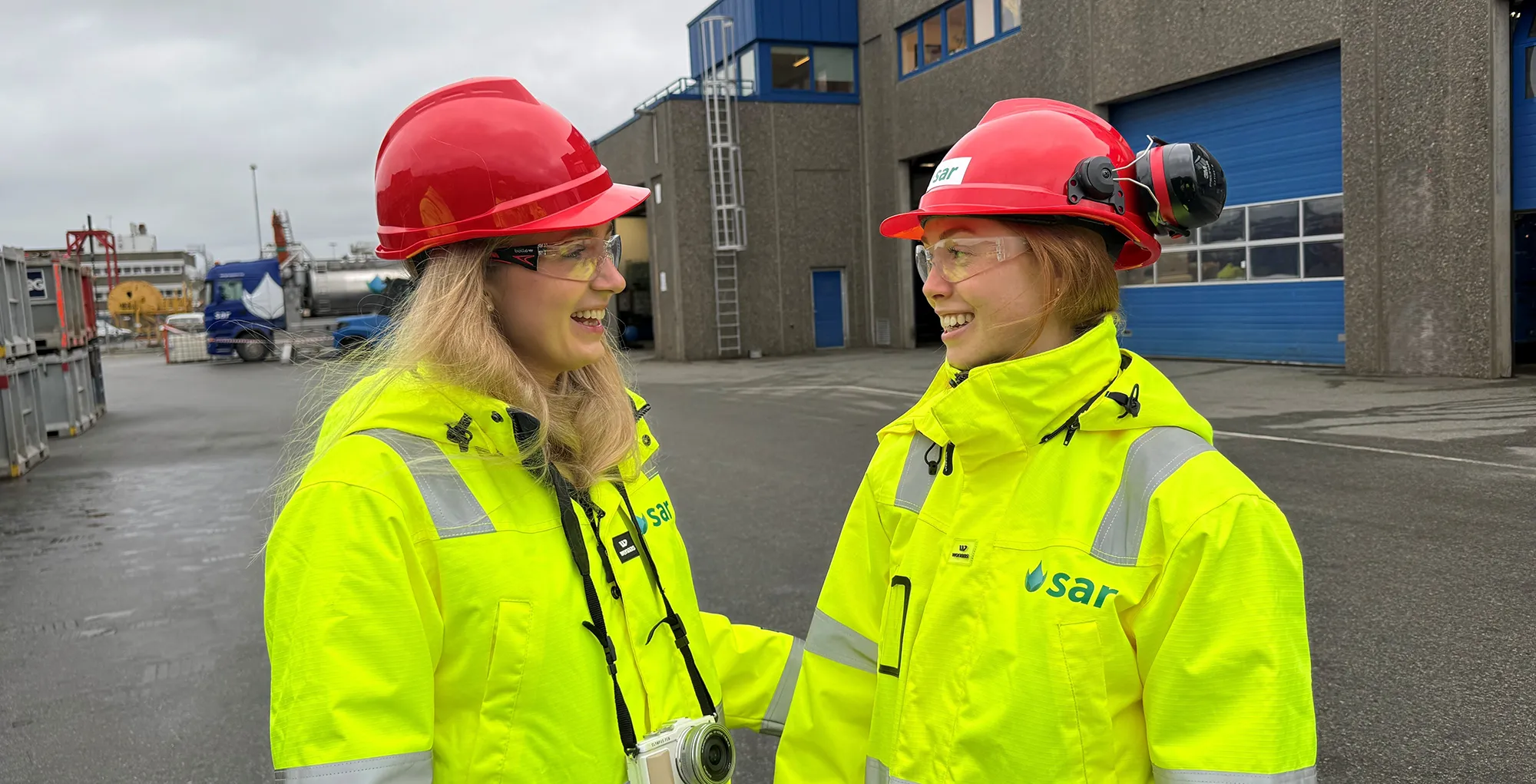
A SAR employee inspecting a waste facility
GLossary

Get an overview of technical terms and codes used in the waste management guide

The waste guide uses technical terms and codes to describe how different types of waste should be identified, classified, and handled. This makes it easier to find the correct waste fraction and comply with requirements for sorting, packaging, and delivery.

Contact us

Our experts provide advice, solutions, and support that make waste management easier, smarter, and more profitable. Please feel free to contact us via your nearest customer service center.